


It’s the fifteenth hour of a 16-hour-long day, and Pernilla Sjoholm is sat in a darkly-lit restaurant, surrounded by cameras and filming equipment as she relives one of the most traumatic experiences of her life.
She’s here as the subject of a true crime documentary - The Tinder Swindler. Fast-forward to February 2022 and, over a year after Pernilla was first interviewed, the film has now taken Netflix by storm. Along with fellow victims Cecilie Fjellhøy and Ayleen Charlotte, the documentary claims Pernilla, 35, was scammed out of tens of thousands of pounds by con-man Simon Leviev (real name: Shimon Hayut), aka “The Tinder Swindler”.
Now, the documentary on the con artist has quickly established itself as the internet’s latest real-life crime obsession. In recent years, we've seen the emergence of more and more true crime documentaries hitting the Netflix homepage. From the now-notorious Tiger King to Don't F**k With Cats, the genre tackles everything from scam artists to serial killers.
But, as millions of us tune in to spend our downtime delving into the misery and mystery of others' lives, what's it like to actually be the person telling their story?

We spoke to two of The Tinder Swindler's con victims, Pernilla and Cecilie, 33, to find out what it's like to be the subject of a true crime documentary, plus how it all comes together behind the scenes.
How does a true crime documentary happen?
Prior to hitting Netflix on 2nd February, The Tinder Swindler had actually been in the works for almost three years. True crime and trauma, it turns out, is in demand. After sharing their story with the Norwegian press in February 2019, Norway-native Cecilie and Swedish Pernilla were contacted by an LA-based agent about creating a documentary the following month. With an agent on board, production companies began pitching ideas for the story, with AGC studios eventually taking charge and Netflix buying the doc more than two years later in July 2021.
Despite the obvious media interest, Pernilla says the decision to put her face and story out there for millions to see “wasn’t easy”. However, both women were incentivised by a desire to at least maintain some control over their own narrative. When we sit down to meet in a London hotel, Cecilie rationalises that, “[We knew] people [were] wanting to [create] a story about this. So we would rather take part [in] that … because we knew that this was going to be made no matter what anyway.”
There’s also a motivation to change the “victim blaming” narrative that previously surrounded the case. "We really just wanted people to see and understand that … it's the bigger picture, and to understand that this could happen to anyone,” Pernilla explains.
The women have also been cruelly labelled “gold diggers” in the past. "You can't imagine how it is [when] you Google yourself and you see 'gold digger' behind your name after you've [spoken out about] fraud, and when people are Googling you that's what comes up," says Cecilie - with the doc providing them the chance to speak on their own terms.
How is a true crime documentary made?
While Cecilie and Pernilla have taken back some control over their own story and image by signing up to the doc, the nature of the film means a lot of control had to be relinquished too. The final edit was the first time both women saw the film, only watching it on a second occasion at a screening the day before launch. Other than giving extensive interviews and providing an endless stream of personal WhatsApp messages, voice notes, pictures and videos (all real), Cecilie and Pernilla’s influence over what actually made it to screens was limited. That meant they had to put their trust fully in director Felicity Morris and producer Bernie Higgins - with Pernilla stressing that both women “still have trust issues” following the scams.
Interviews seem lengthy and emotionally gruelling. "We [did] hours and hours of pre-interviews," Pernilla explains, which took place for two or three hours per day over five or six days. "And then during the main interview, it wasn't like we were handed the questions before, like what was gonna come up. My entire interview [was] during one day; it was like 14 or 16 hours long," made harder by the fact that English isn’t her first language.
“It's hard work. It's an emotional journey,” Pernilla goes on, later joking, "I had my best sleep I ever had, like I was so exhausted when I got home." Meanwhile, Cecilie filmed her sections over two days - starting from 8am and finishing as late as 11pm.
Everything is much more stylised and polished than it might originally seem. The women’s interviews were filmed in a restaurant, with lighting designed to look like the evening for the whole day, and props including wine which they couldn’t drink. Covid was also a factor, which meant windows stayed open for each super long day, and the added metaphorical and literal chill of the women being secretly wrapped up in warm layers under the table - none of which comes across on screen.

When it comes to filming scenes, Cecilie says it’s “so draining, because you’re not an actor, you’re yourself. So it was really difficult … I love the end result … but I’d never want to do that, ever again.”
What’s more, the doc is framed by real WhatsApp messages, voice notes, photos and videos exchanged between the women and Simon, which makes it feel even more personal than the other true crime films we’re used to seeing. “We gave them our entire life, to be honest” says Pernilla. "We sent over WhatsApp logs, photographs," joking, "I saw the movie, I was like, 'I was not supposed to send that video over, how did that end up there?'"
At the same time, though, both women intermittently burst into laughter quoting videos they sent to Simon which are shown in the film, cringing at themselves. But, they note, it's all worth it for the bigger picture. Cecilie adds that she gave all the same information to investigators as she did to producers, admitting, “Just proving that I had nothing to hide was more important than my privacy at that point.”
While The Tinder Swindler has already been a success, topping Netflix’s UK chart just five days after launch, can sharing your victim story so publicly like this ever feel like real justice? Simon Leviev was never convicted of his specific crimes against Cecilie and Pernilla (though he did go to prison for other offences), and they’re still paying off their debts. In fact, since the documentary came out, Cecilie, Pernilla and Ayleen have even set up a GoFundMe attempting to raise £600,000 between the three of them, saying, "All we want are our lives back".
“I have to say our lives are still ruined, kind of, like economically,” Cecilie admits - made worse by “the feeling of not having justice.” However, she says that getting her experience out there does feel like a “release”, and the positive impact on other victims also serves as some kind of consolation.

“We've gotten so many messages from other fraud victims … talking about the shame they're feeling, and [how] they're scared of going to the police and asking for advice,” Cecilie explains. “It is worth it if we can actually help people now.”
As for the rollercoaster of attention that has come with the doc, “It feels like you’re sitting on the outside,” says Pernilla. “I still think that this isn’t really happening.”
“I think it's just too big for us to really understand,” Cecilie chimes in.
Still, both women are happy with the result of the film, and their initial desire to rewrite their own story seems to have come to fruition. Cecilie notes seeing “crying pictures” of herself on Google when the case first came to light. “I look so sad, and I don’t feel like I’m that sad and broken, you know, anymore.” This sense of overcoming adversity shines through in the documentary, and in real life too - and that, if nothing else, feels like a real win.
______
An Instagram account under the handle @simon_leviev_official recently shared a statement in response to the documentary (via NME), before deleting the account:
"Thank you for all your support. I will share my side of the story in the next few days when I have sorted out the best and most respectful way to tell it, both to the involved parties and myself. Until then, please keep an open mind and heart."


Tinder, la aplicación para encontrar pareja que fue creada en 2011, se ha instalado como unos de los símbolos de la era digital en la que navegamos y se ha vuelto parte de las conversaciones sobre las relaciones amorosas actuales.
Y aunque su foco está puesto en las relaciones interpersonales, también ha sido el escenario de un escándalo con repercusiones financieras: una historia de estafa internacional que llegó a las noticias e incluso al gigante del streamingNetflix.
Este mes se estrenó en esa plataforma el documental The Tinder Swindler ("El estafador de Tinder"), que narra la historia de tres mujeres que dicen haber sido engañadas por un hombre, Simon Leviev, a quien conocieron a través de la famosa aplicación de citas.
Durante una hora y cincuenta minutos, a través de las historias de la ciudadana noruega Cecilie Fjellhøy, la sueca Pernilla Sjoholmy la holandesa Ayleen Charlotte, se muestra cómo este hombre se mete en sus vidas después de conocerlas en Tinder y ellas terminan entregando sumas de dinero difíciles de confirmar, pero que algunos estiman en millones. Tan solo una de ellas entrega al estafador unos US$200.000.
La historia está basada en el reportaje que hizo el diario noruego VG, publicado en febrero de 2019, que cuenta lo que sufrieron las tres mujeres que dan su testimonio en el documental.
Sin embargo, a pesar de la evidencia del engaño -hay horas de videos grabados por el mismo estafador y largos intercambios de mensajes en Whatsapp- y de las denuncias hechas por las tres mujeres en contra de Leviev, este se encuentra en libertad y niega haberles robado.
Debido a la publicidad que ha recibido por el estreno del documental, Tinder informó que canceló la cuenta que Leviev mantenía activa en la aplicación.
Pero ¿quién es Simon Leviev y qué dice el documental sobre su modo de actuar?
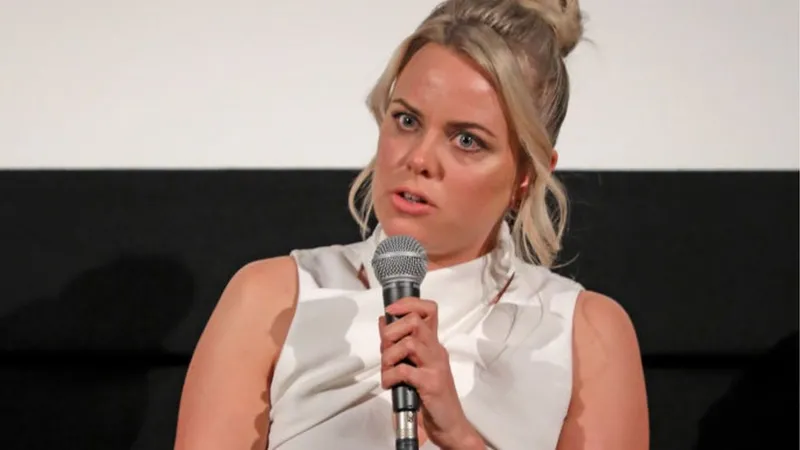
Cecilie Fjellhøy es una de las víctimas de Leviev que aparece en el documental de Netflix.
De Israel a Europa
De acuerdo a lo publicado en varios medios, entre ellos VG en Noruega y The Times of Israel, el nombre original de Leviev es Shimon Yehuda Hayu, nacido en Tel Aviv en 1990 y perteneciente a una familia ultraortodoxa judía.
El primer encuentro de Leviev con la justicia ocurrió en 2011.
En ese momento fue acusado de fraude por sustraer y cobrar cheques de personas para las que había trabajado.
Antes de ser arrestado por la policía israelí, escapó a través de la frontera con Jordania con un pasaporte falso y huyó hacia Europa. Sin embargo, en Israel fue condenado en ausencia a pasar 15 meses en prisión.
Durante varios años no se tuvo rastro de sus actividades, hasta que en 2015 fue capturado en Finlandia por el delito de estafa, tras una denuncia de tres mujeres. Allí fue sentenciado a tres años de prisión.
En 2017, regresó a Israel. Allí cambió su nombre de forma legal: dejó de llamarse Shimon Yehuda Hayu para adoptar el nombre de Simon Leviev con el que se haría conocido internacionalmente y volvió a salir del país.
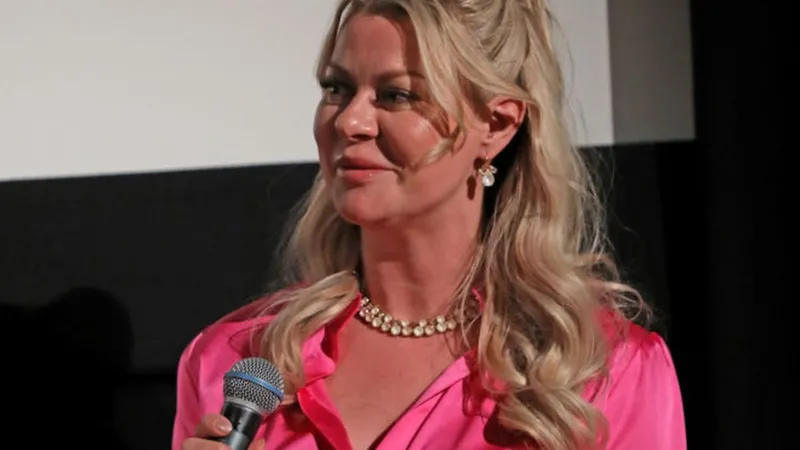
Pernilla Sjoholmy consideraba a Leviev un buen amigo a pesar de no tener ninguna relación sentimental con él.
Ahí comenzó la etapa que forma la trama del documental de Netflix y se narra en el artículo de VG: se dedicó a contactar mujeres en Tinder y a supuestamente pedirles dinero para financiar su vida de lujos y excesos.
En la aplicación se presentaba como Simon Leviev, hijo de un famoso millonario que hizo fortuna gracias a la comercialización de diamantes.
"Lo que ocurrió después fue casi como entrar en la película 'El show de Truman', donde él muestra que tiene un guardaespaldas y que en realidad vuela en un jet privado", le explicó la directora del documental, Felicity Morris, al diario The Guardian.
Ambos elementos, con los que intenta impresionar a las mujeres que conoce y construir su imagen de hijo de un multimillonario importante que necesita estar constantemente custodiado porque los "enemigos" lo tienen en la mira, alimentan las mentiras que Leviev repite con cada víctima que conoce mediante la aplicación.
De acuerdo a lo narrado por las tres mujeres, tiempo después de conocerlas por Tinder y comenzar una relación -que no siempre fue sentimental-, Leviev comenzaba a pedirles dinero debido a que tenía problemas "de seguridad".
Las mujeres, por distintos motivos, empezaron a prestarle sumas considerables con la promesa de que él se las reintegraría una vez lograra controlar las amenazas de seguridad que tenían en jaque su vida.
Por supuesto, al poco tiempo el hombre desaparecía y dejaba a las mujeres con deudas casi impagables o con sus cuentas de ahorro totalmente vacías.
Cuando la noruega Fjellhøy cayó en la cuenta de que había sido víctima de una estafa, decidió llevar su historia ante la prensa.
La vida tras el reportaje
Una vez publicado el reportaje donde se detallaba el accionar de Leviev en el diario noruego VG y replicado por otros medios en Europa, en octubre de 2019, Leviev intentó huir a Grecia con un pasaporte falso.
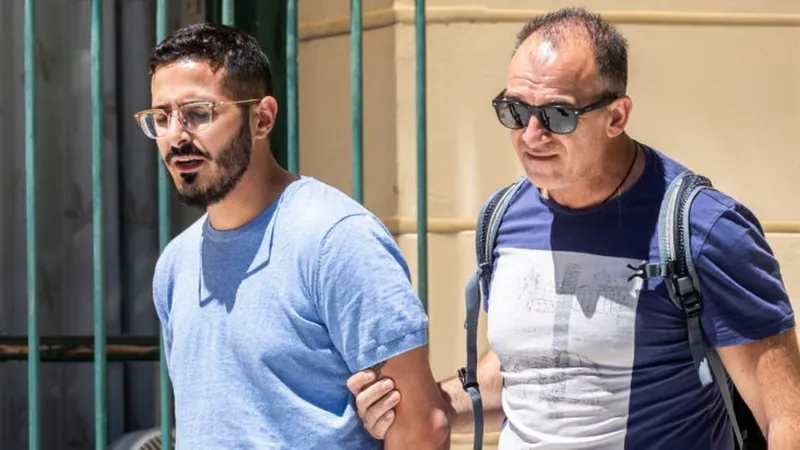
Tras su captura fue enviado a Israel.
Sin embargo, cuando aterrizó en Atenas fue capturado y extraditado a Israel, donde fue condenado a 15 meses de prisión y al pago de una multa cercana a los US$50.000 para resarcir a sus víctimas.
En una entrevista con medios locales, Leviev siempre negó haberle robado dinero a las mujeres que lo acusaban. A los cinco meses de estar en prisión, debido a la pandemia del coronavirus, quedó en libertad.
"Tal vez no les gustó estar en una relación conmigo, o no les gusta la forma en que actúo. Tal vez rompí sus corazones durante el proceso", dijo en una entrevista con el canal 12 israelí.
"Nunca les saqué un dólar; estas mujeres se divirtieron en mi compañía, viajaron y vieron el mundo con mi dinero", agregó.
A pesar de que está libre bajo la justicia de Israel, hay procesos por fraude abiertos en su contra en Reino Unido, Noruega y los Países Bajos.
A raíz de la publicación del documental, Leviev cerró su cuenta de Instagram, pero antes dejó un mensaje final: "Compartiré mi versión de la historia en los próximos días cuando haya resuelto cuál es la mejor y más respetuosa manera de contarla, tanto para las partes involucradas como para mí".
Con tan solo cinco días de haberse estrenado en la plataforma de Netflix, ‘El estafador de Tinder’ se encuentra en el puesto número cinco de las ‘10 más populares’ en República Dominicana.
Basada en hechos reales, ‘El estafador de Tinder’ es un documental de Netflix en el que se exponen las hazañas de Simon Leviev, quien verdaderamente se llama Shimon Hayut. En la trama de desenlaza la historia de algunas mujeres, quienes fueron engañadas por el astuto hombre.
Aparentaba ser Simon Leviev, hijo de un multimillonario, hombre seductor y el caballero con el que toda mujer sueña. Sin embargo, su malévolo plan siempre fue hechizarlas para sacarles dinero.
Su principal herramienta era la aplicación Tinder, donde conocía a sus presas, a quienes luego de enamorarlas vía chat, citarlas en hoteles o pagarles vuelos, las manipulaba hasta el fin de contar una historia donde supuestamente estaba en peligro de muerte y necesitaba dinero.
Sobre Shimon Hayut
El expediente de Hayut deja mucho que decir, ya que desde sus 20 años de edad desarrolló habilidades en la estafa. Desde estafar a un compañero para adquirir su propia tienda de ropa hasta quitarle cheques a su propia familia.
En un viaje a Finlandia comenzó con Tinder, donde inició su plan para engañar mujeres. Por ello, fue detenido en 2015 y pasó dos años en prisión. Fue deportado a Israel, pero huyó. A partir de ahí, conoció a una de las mujeres del documental, Cecilie Fjellhoy.
Impacto de la cinta
Más que entretenimiento, los testimonios que se visualizan en la producción permiten que el espectador no solo se interese en la historia, sino que tome el mensaje como un aprendizaje.
El hecho de no confiar, sobre todo cuando se trata de las redes sociales, es una de las moralejas que más de destacan en esta trama.
Por su parte, hace unas horas, la aplicación Tinder informó que “Simon Leviev” estará vetado para siempre de la aplicación. La compañía dijo que esto es a causa de violar los términos de servicio.


0 Comments